
Building construction
Residential, commercial and institutional buildings, from foundations and structure through to the finished spaces.
Overview
Buildings delivered as one programme
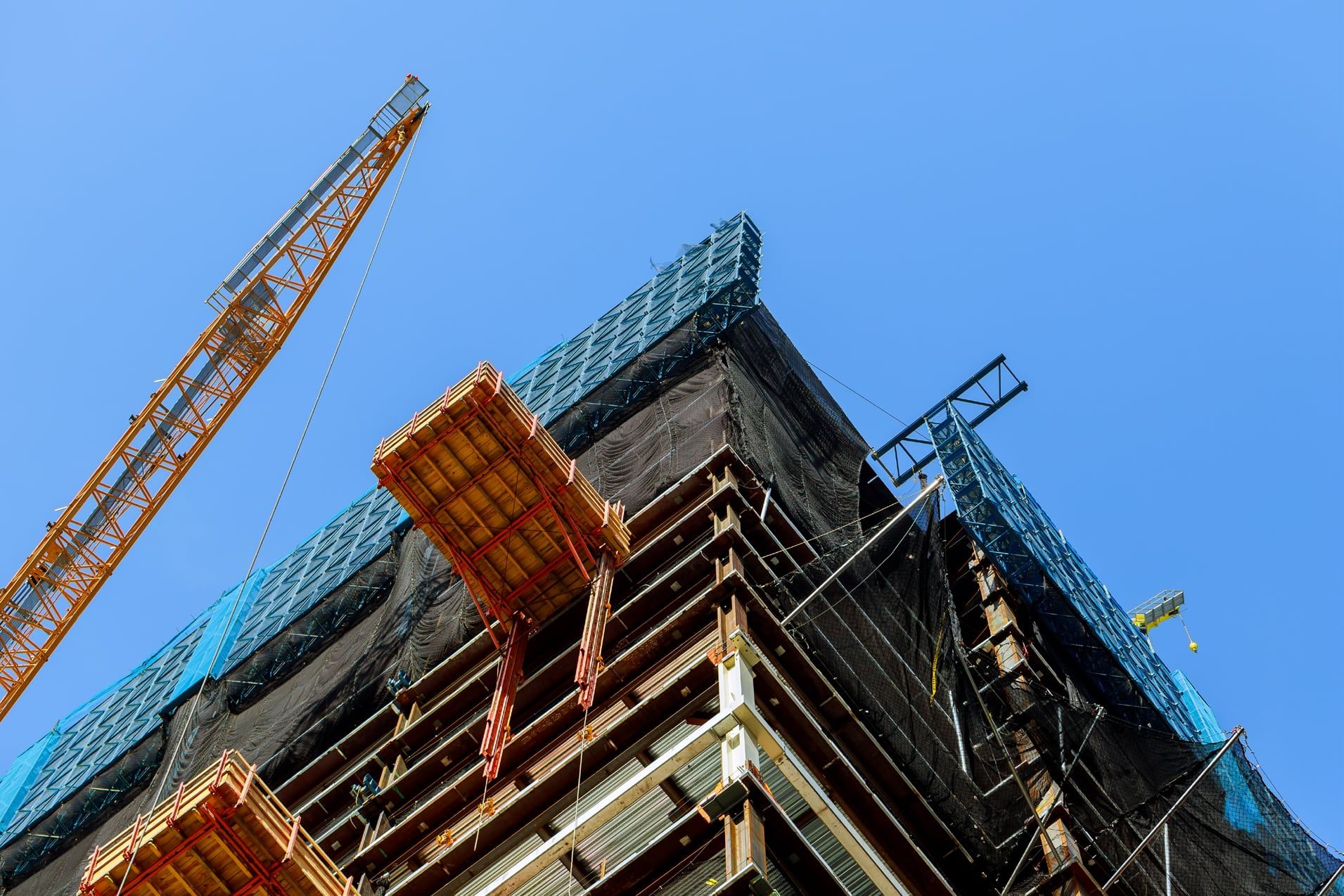
Teljoy Construction builds residential and commercial developments, institutional buildings and accommodation, warehouses, clinics and supporting facilities across a full building contract: setting out, foundations, slabs, walling, roof structures, services coordination, finishes and handover.
Building and civil works are delivered by the same team under one programme, so the foundations, slabs and superstructure are sequenced against a single critical path rather than negotiated between contractors.
Typical clients & projects
- Developers
- Institutions
- Commercial
- Private clients
Scope of work
General building construction
- Residential and commercial developments
- Institutional buildings and accommodation
- Barracks and staff accommodation
- Warehouses, clinics and medical facilities
- Canteens, guard houses and ablutions
One team, one programme
Foundations, slabs and superstructure are sequenced against a single critical path rather than negotiated between contractors.
How it is delivered
Planned, inspected and handed over with records.
Every building construction contract follows the same controlled five-stage process, with a project manager or site agent as your single point of contact on site.
How we work
Stage 01: Pre-construction
Review drawings and specifications, confirm scope, programme the works, and plan labour, resources, safety and site establishment.
Records you receive
- Construction programme
- Bills of Quantities
- Confirmed scope
Stage 02: Procurement
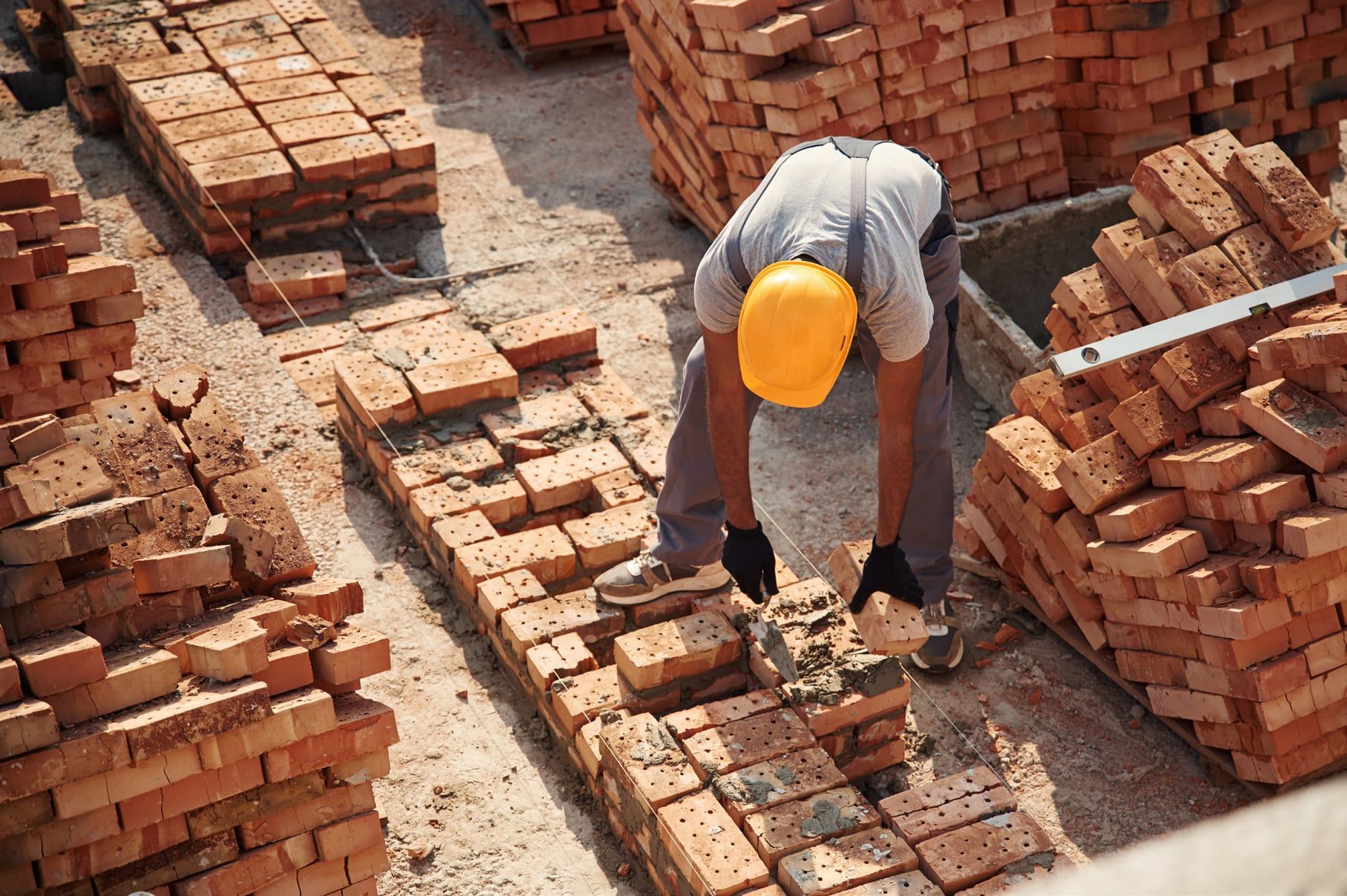
Schedule materials to the programme; manage requisitions, supplier comparisons, approvals, delivery records and material issue control.
Records you receive
- Procurement schedules
- Material schedules
- Procurement registers
Stage 03: Construction
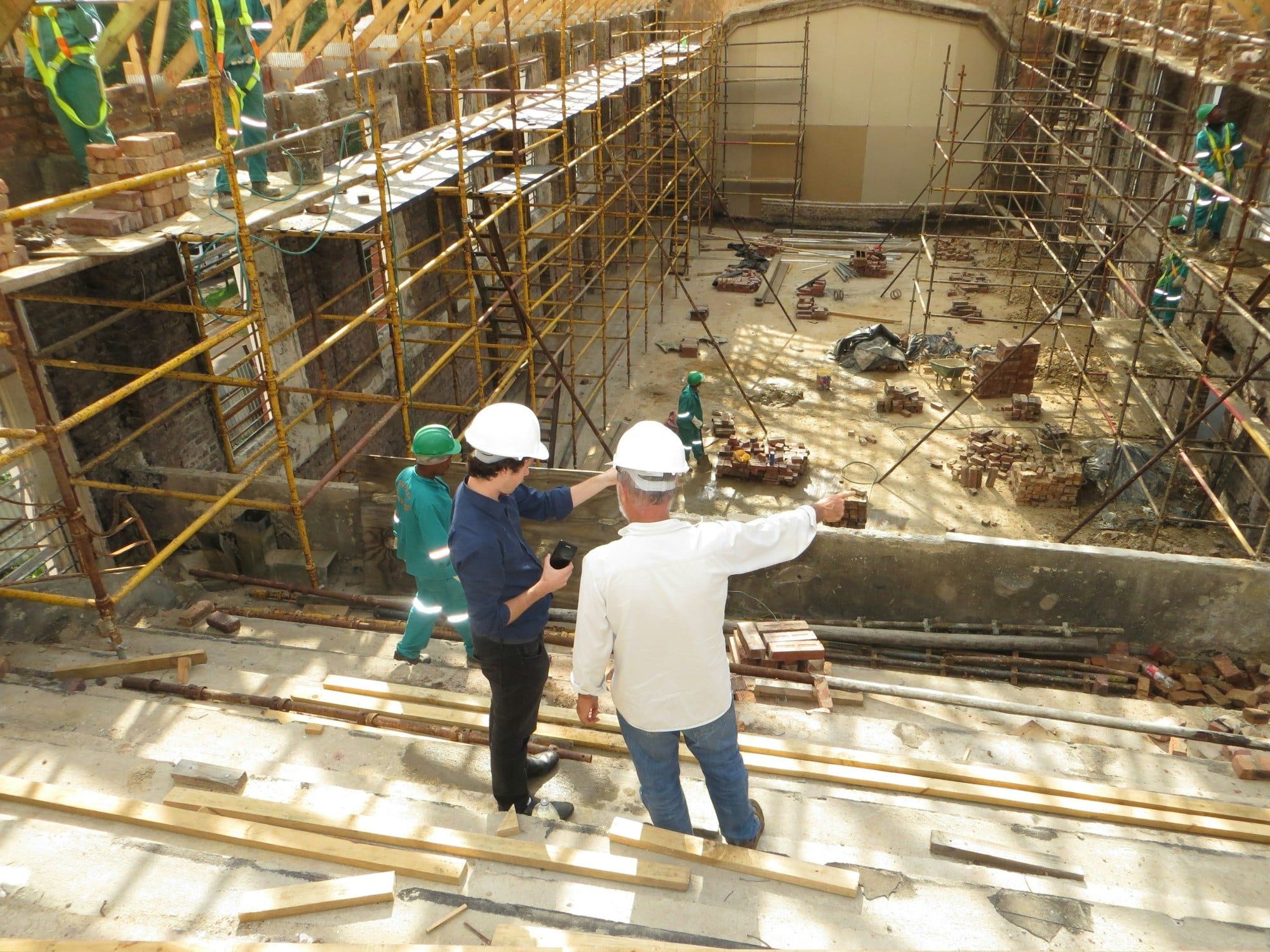
Coordinate site teams, subcontractors and trades while monitoring progress against drawings, specifications, programme, quality and cost.
Records you receive
- Daily site reports
- Weekly progress reports
- Progress photographs
- Variation register

Stage 04: Quality control
Inspect foundations, concrete, structure, roofing, services and finishes; maintain inspection records, snag registers and corrective actions.
Records you receive
- Inspection and Test Plans
- Inspection records
- Snag register
Stage 05: Completion & handover
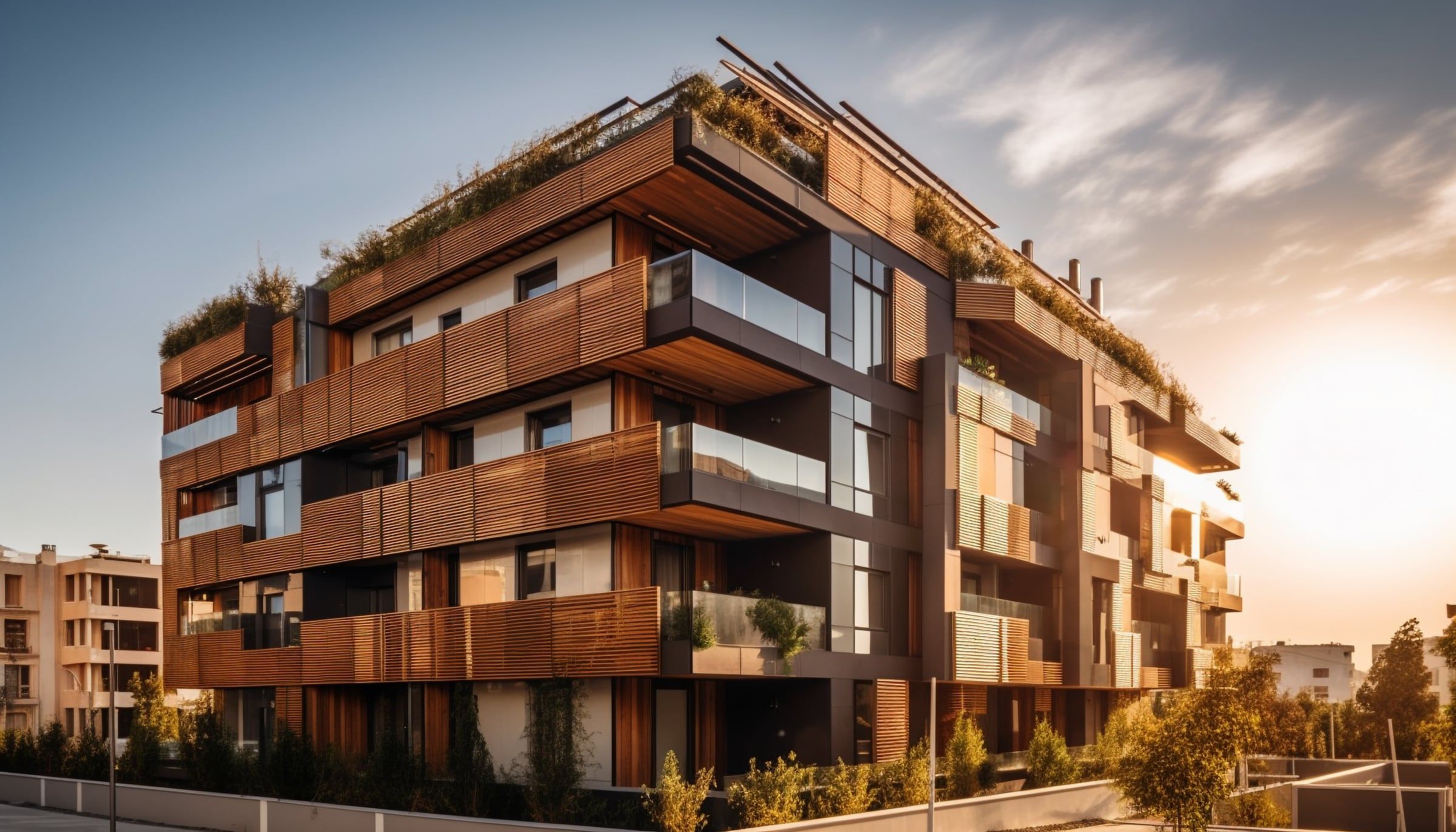
Complete snagging and quality inspections, then issue practical completion, warranties, as-built information and final handover records.
Records you receive
- Practical Completion Certificate
- As-built information
- Material warranties
- O&M information
FAQ
Building construction: common questions
What types of buildings does Teljoy Construction build?
Residential and commercial developments, institutional buildings and accommodation, staff accommodation, warehouses, clinics and medical facilities, canteens, guard houses and ablution blocks.
Can you work from our architect’s drawings and bill of quantities?
Yes. Pre-construction starts with a review of the drawings and specifications to confirm scope, programme the works and plan labour, resources, safety and site establishment. Budget monitoring and BOQ tracking continue throughout the contract.
How will we know how the project is progressing?
Teljoy maintains daily site reports, weekly progress reports and photographic progress reports, with progress measured against the programme, and a project manager or site agent acts as your single point of contact on site.
Related services
One contract, seven disciplines.
- Civil worksSite clearing, earthworks, foundations, retaining walls, stormwater drainage and paving preparation.
- Renovations & refurbishmentsAlterations, upgrades and structural repairs to existing buildings, planned around the people still using them.
- RoofingIBR and Chromadek roof coverings on steel, lipped-channel or timber structures, with insulation and rainwater goods.
- Interior & finishing worksTiling, plastering, screeding, painting, ceilings, partitions, aluminium doors and windows and final fixtures.
- External works & landscapingPaving, kerbing, boundary walls, fencing, gates, guard houses, parking, landscaping and external drainage.
- Water & sewer infrastructureSewer reticulation, septic tanks and soakaways, stormwater drainage, water tanks and external plumbing.
Planning building construction work?
Share the location, a short description of the work and your preferred start date. Drawings and a bill of quantities help, but aren’t needed to start the conversation.