
How we work
A controlled five-stage process that manages programme, cost, quality and risk from first drawing to final handover.

Project delivery
Five stages,
one process.
Each stage has defined outputs and responsibilities. Quality checks are not left to stage four — inspection runs alongside construction from the first excavation.

Stage 01: Pre-construction
Review drawings and specifications, confirm scope, programme the works, and plan labour, resources, safety and site establishment.
Records you receive
- Construction programme
- Bills of Quantities
- Confirmed scope
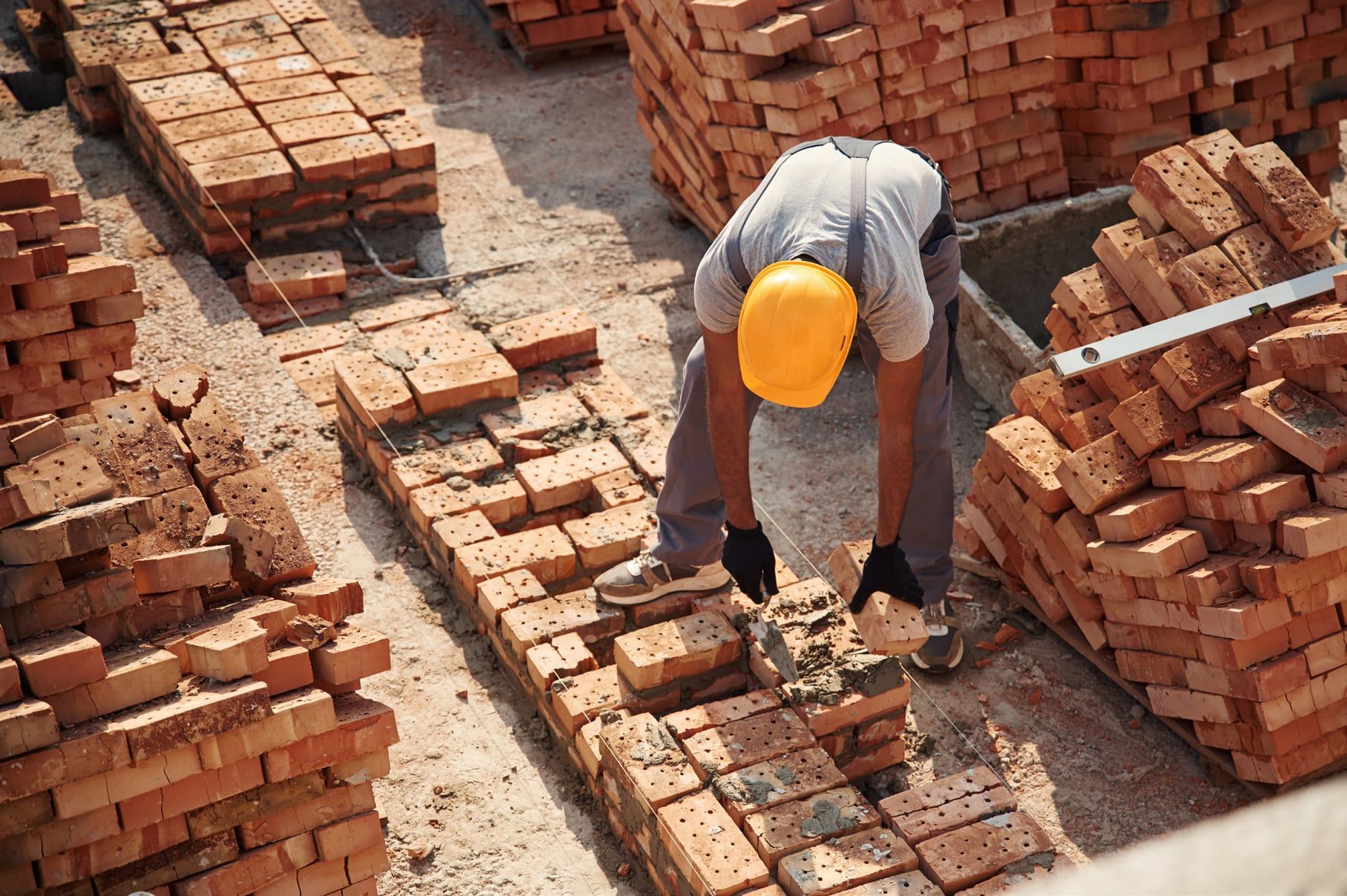
Stage 02: Procurement
Schedule materials to the programme; manage requisitions, supplier comparisons, approvals, delivery records and material issue control.
Records you receive
- Procurement schedules
- Material schedules
- Procurement registers
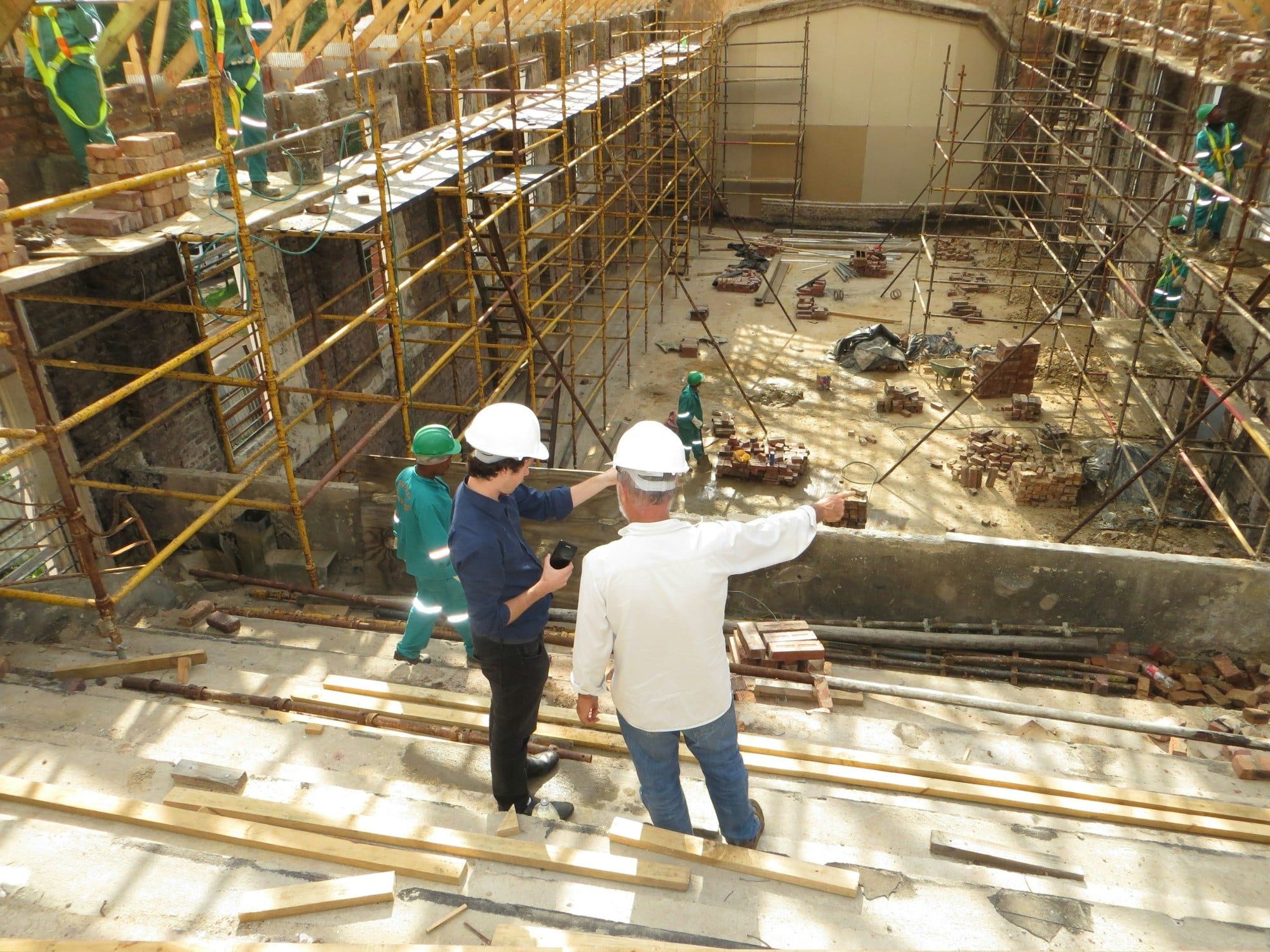
Stage 03: Construction
Coordinate site teams, subcontractors and trades while monitoring progress against drawings, specifications, programme, quality and cost.
Records you receive
- Daily site reports
- Weekly progress reports
- Progress photographs
- Variation register
Stage 04: Quality control
Inspect foundations, concrete, structure, roofing, services and finishes; maintain inspection records, snag registers and corrective actions.
Records you receive
- Inspection and Test Plans
- Inspection records
- Snag register

Stage 05: Completion & handover
Complete snagging and quality inspections, then issue practical completion, warranties, as-built information and final handover records.
Records you receive
- Practical Completion Certificate
- As-built information
- Material warranties
- O&M information
Professional handover
What you receive at completion.
The record that the building was built as specified and can be maintained.
A project is not complete when work stops. It is complete when the record is issued.
- Practical Completion Certificate
- Snag list
- Inspection records
- As-built information
- Material warranties
- Operation and maintenance information
- Final completion documentation
Quality management
Quality is built in, not inspected in at the end.
Quality is built into the process from commencement to handover. Progressive inspection and early correction minimise rework.

- 01Plan
- 02Inspect
- 03Record
- 04Correct
- 05Verify
- 06Approve
Quality control activities
- Material inspections
- Workmanship inspections
- Drawing compliance checks
- Dimensional checks
- Inspection and Test Plans
- Snag registers
- Corrective action monitoring
- Practical completion inspections
- Defects monitoring
Minimise rework
Defects corrected during construction cost a fraction of defects found at handover.
Health, safety & environment
Safety takes precedence over programme.
Every employee and subcontractor is expected to take responsibility for safety on site.
Safety commitment
No programme or productivity target takes precedence over safe, controlled and responsible execution of work.
- Site inductions and PPE
- Toolbox talks and task risk assessments
- Safe working procedures
- Housekeeping inspections
- First-aid provisions
- Controlled access to work areas
- Safe material storage
- Incident reporting
- Environmental protection
- Waste-management procedures
Project controls & reporting
Reliable delivery requires disciplined information.
These are the registers and reports maintained on every project.
Project controls
- Construction programmes
- Weekly work plans
- Procurement schedules
- Material schedules
- Material issue registers
- Variation registers
- Labour registers
- Payroll and wage controls
Reporting & tracking
- Progress measurement
- Cost monitoring
- Site instructions
- Daily site reports
- Weekly progress reports
- Photographic progress reports
- Snag registers
- Payment certificates
Commercial management
Cost control that protects your budget.
Strong commercial controls protect both project viability and client value throughout execution.
- Budget monitoring and BOQ tracking
- Procurement comparison and supplier control
- Cost-to-complete forecasting
- Variation identification and valuation
- Subcontractor control
- Payment tracking
- Material reconciliation
- Labour-cost monitoring
- Progress-claim preparation
Variation control
Potential variations are identified, recorded and communicated before execution wherever reasonably possible — reducing commercial disputes and unplanned cost exposure.
FAQ
Process questions
When does quality control happen?
Throughout construction. Materials, workmanship, dimensions and drawing compliance are inspected progressively, against Inspection and Test Plans, so defects are corrected while they are still cheap to fix rather than discovered at handover.
How are variations to the scope handled?
Potential variations are identified, recorded and communicated before execution wherever reasonably possible, valued, and logged in a variation register. This reduces commercial disputes and unplanned cost exposure.
What reporting will we receive during the project?
Daily site reports, weekly progress reports and photographic progress reports, with progress measured and costs monitored against the programme and budget.
Who is our point of contact?
A project manager or site agent acts as the single point of contact for the client on site, supported by operations, commercial, and quality and safety functions with clearly defined responsibilities.
Your Vision. Our Commitment. Built to Last.
Building, civil works, renovations, institutional projects or infrastructure: tell us what you are planning, where, and when you would like to start.